

Find Your Balance: The Hidden Key to Moving Better and Feeling Stronger
Balance is something most people don’t think about—until it starts to feel off. Whether you’re an athlete, a Pilates enthusiast, or simply trying to stay active as you age, balance is a foundational skill that affects everything from posture to injury prevention. Understanding the science behind balance can help you train smarter and move with more confidence.
🧠 The Science Behind Balance
Balance isn’t just about standing on one leg—it’s a complex interaction between multiple systems in the body:
1. The Visual System
Your eyes help orient you in space by providing information about your surroundings. Try closing your eyes while balancing—you’ll instantly feel the challenge increase.
2. The Vestibular System
Located in the inner ear, this system detects head movement and changes in position. It plays a key role in stabilizing your gaze and helping you stay upright.
3. Proprioception (Your “Sixth Sense”)
Proprioception is your body’s ability to sense where it is in space. Specialized receptors in your muscles, joints, and fascia send signals to your brain, helping you make micro-adjustments to stay balanced.
4. The Muscular System
Strength and coordination—especially in the core, hips, and ankles—are critical. Without adequate muscular control, even the best sensory input won’t keep you steady.

⚖️ Why Balance Declines
Balance can diminish due to:
Aging (slower nerve conduction and muscle response)
Sedentary lifestyle
Injury or surgery
Poor posture and alignment
Neurological conditions
The good news? Balance is highly trainable at any age.
💪 Exercise Recommendations to Improve Balance
To effectively train balance, you need a combination of stability, strength, and sensory challenge.
1. Start with a Stable Base
Feet hip-width apart
Focus on posture and alignment
Practice weight shifting side-to-side and front-to-back
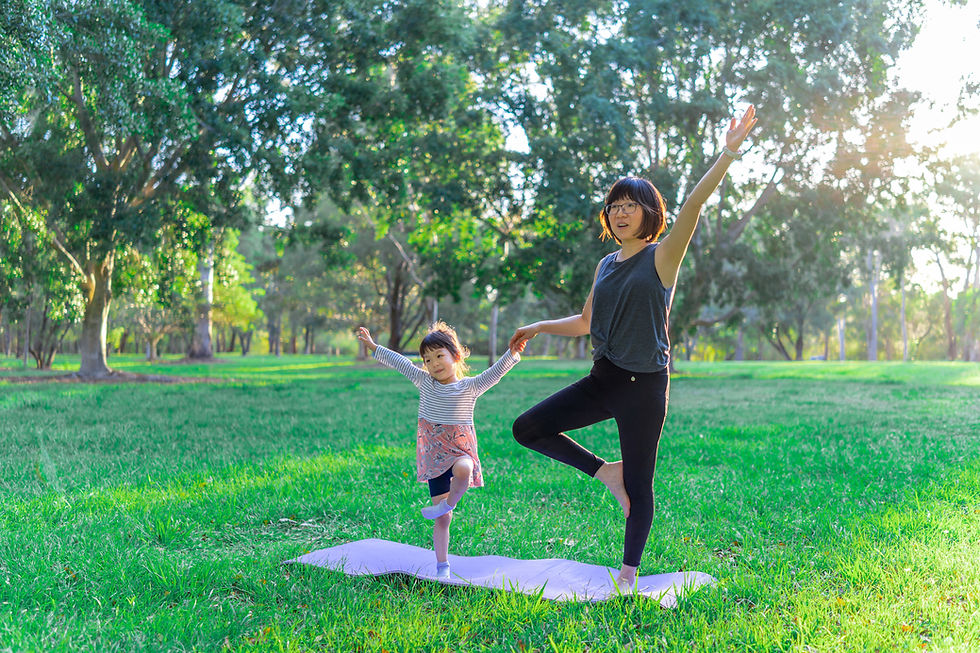
2. Progress to Single-Leg Work
Single-leg stands (hold 10–30 seconds)
Add movement: leg swings, arm reaches
Progress by closing your eyes or standing on an unstable surface
3. Strengthen Key Muscle Groups
Focus on:
Glutes (hip stability)
Core (spinal support)
Ankles and feet (ground connection)
Exercises to include:
Bridges
Clamshells
Heel raises
Toe lifts
4. Incorporate Dynamic Balance
Balance in real life isn’t static—train it dynamically:
Walking lunges
Step-ups
Direction changes
Pilates flow sequences
5. Challenge Your Proprioception
Use tools like balance pads, foam rollers, or stability balls
Practice barefoot training when appropriate
Add light perturbations (gentle pushes or resistance changes)

🧘♀️ Why Pilates is So Effective for Balance
Pilates naturally integrates balance training by emphasizing:
Core control
Alignment
Controlled, intentional movement
Many exercises require you to stabilize while moving other parts of the body—this is exactly how balance works in everyday life.
🔁 Consistency is Key
Balance improves with consistent practice. Just 5–10 minutes a day of targeted work can lead to noticeable changes in stability, coordination, and confidence.
✨ Final Thoughts
Balance is more than a physical skill—it’s a reflection of how well your body systems communicate and work together. By training it intentionally, you not only reduce your risk of falls and injuries but also enhance overall movement quality.
Whether you’re in a Pilates studio, at home, or in the gym, integrating balance work into your routine is one of the most powerful things you can do for long-term health and mobility.


Comments