

Understanding Rotator Cuff Injuries and Rehabilitation
Shoulder pain can make even the simplest daily tasks feel frustrating. Reaching overhead, lifting groceries, sleeping comfortably, or participating in workouts may suddenly become difficult. One of the most common causes of shoulder pain is a rotator cuff injury.
Whether caused by repetitive movement, sports activities, poor posture, aging, or trauma, rotator cuff injuries can significantly affect mobility and quality of life. The good news? With proper rehabilitation, many people can reduce pain, restore strength, and return to the activities they love.
What Is the Rotator Cuff?
The rotator cuff is a group of four muscles and their tendons that stabilize the shoulder joint and help control arm movement. These muscles work together to keep the shoulder functioning smoothly during lifting, reaching, pushing, and pulling motions.
The four rotator cuff muscles include:
Supraspinatus
Infraspinatus
Teres Minor
Subscapularis
Because the shoulder is one of the most mobile joints in the body, it is also one of the most vulnerable to injury.
Common Causes of Rotator Cuff Injuries
Rotator cuff injuries can develop gradually over time or occur suddenly from an accident or strain. Common causes include:
Repetitive overhead motions
Poor posture and muscle imbalances
Sports such as tennis, baseball, swimming, or golf
Heavy lifting
Falls or traumatic injuries
Age-related wear and tear
Weakness in the shoulder and upper back muscles
Many individuals also experience shoulder irritation from prolonged desk work, forward head posture, and lack of movement variability.
Symptoms of a Rotator Cuff Injury
Symptoms may range from mild discomfort to significant pain and weakness. Common signs include:
Shoulder pain, especially when lifting the arm
Weakness in the shoulder or arm
Difficulty reaching overhead or behind the back
Pain when sleeping on the affected side
Clicking or catching sensations
Limited range of motion
If symptoms persist, worsen, or interfere with daily activities, medical evaluation is recommended.
Rehabilitation and Recovery
Rehabilitation plays an important role in recovering from rotator cuff injuries. The goal is not only to reduce pain, but also to improve stability, mobility, posture, and overall shoulder function.

Key Components of Rehabilitation
1. Reducing Pain and Inflammation
Early stages of rehabilitation often focus on decreasing irritation through:
Activity modification
Gentle movement
Ice or heat as recommended
Postural awareness
2. Restoring Mobility
Limited mobility can create compensation patterns and additional strain. Gentle stretching and controlled movement exercises help restore healthy shoulder mechanics.
3. Improving Stability and Strength
Strengthening the rotator cuff and surrounding muscles helps support the shoulder joint and reduce stress on injured tissues. Rehabilitation may include:
Resistance band exercises
Scapular stabilization work
Rotator cuff strengthening
Postural strengthening
Functional movement training
4. Addressing Posture and Movement Patterns
Poor posture often contributes to shoulder dysfunction. Rehabilitation should include exercises that improve:
Thoracic mobility
Core stability
Scapular control
Upper back strength

Pilates exercises for scapular control
How Pilates Can Help
Pilates can be an effective complement to rotator cuff rehabilitation when appropriately modified. A well-designed Pilates program focuses on:
Controlled movement
Postural alignment
Core engagement
Shoulder stability
Balanced muscle activation
Pilates-based rehabilitation can help individuals improve body awareness while safely rebuilding strength and mobility.
At Kore Fitness, rehabilitation-focused Pilates sessions are designed to meet each client where they are in their recovery journey, with modifications based on individual needs and physician recommendations.
Preventing Future Shoulder Injuries
While not every injury can be prevented, healthy movement habits can reduce strain on the shoulder joint. Helpful strategies include:
Maintaining good posture
Strengthening the upper back and rotator cuff muscles
Improving mobility and flexibility
Avoiding repetitive overuse without recovery
Incorporating proper warm-ups before activity
Listening to early warning signs of pain or fatigue
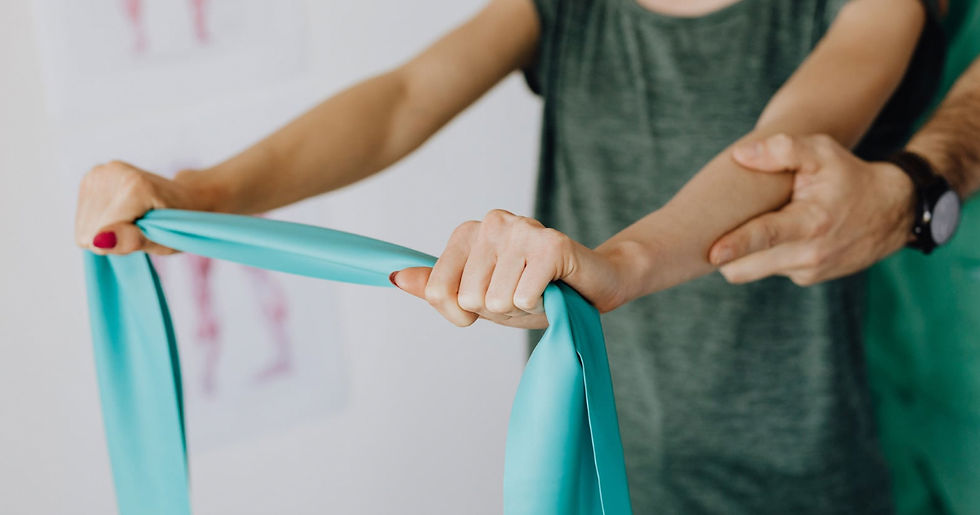
Shoulder strengthening exercise with band
Final Thoughts
Rotator cuff injuries can be frustrating, but recovery is possible with the right combination of movement, strengthening, and rehabilitation strategies. Consistency, patience, and proper guidance are key to restoring shoulder function and confidence in movement.
If you are experiencing shoulder pain or recovering from a rotator cuff injury, working with qualified healthcare and movement professionals can help support a safe and effective recovery process.
Disclaimer
This article is intended for educational and informational purposes only and should not be considered medical advice. Always consult your physician, physical therapist, or qualified healthcare provider before beginning any exercise or rehabilitation program, especially if you are experiencing pain, injury, or other medical concerns.


Comments