

Shield Your Shine: How to Stay Safe from UV Rays This Summer
How to Stay Safe from UV Rays and Recognize the Signs of Skin Cancer
As we soak up the summer sunshine, it’s easy to forget that the sun—while life-giving—also carries hidden dangers. July is UV Awareness Month, a national reminder to protect ourselves from the harmful effects of ultraviolet (UV) radiation and stay informed about the risks of skin cancer, the most common—and one of the most preventable—cancers in the world.
☀️ What Are UV Rays and Why Do They Matter?
Ultraviolet radiation from the sun comes in two major types:
UVA rays penetrate deeply into the skin and accelerate aging.
UVB rays affect the surface and cause sunburns.
Both UVA and UVB rays damage skin cells and can lead to skin cancer. Even short periods of sun exposure without protection can accumulate into serious long-term effects.

🧴 How to Stay Protected
Apply Broad-Spectrum Sunscreen
Use SPF 30 or higher daily—even on cloudy days. Reapply every two hours or after swimming or sweating.
Wear Protective Gear
Long sleeves, wide-brimmed hats, and UV-blocking sunglasses help shield skin and eyes.
Seek Shade Midday
The sun is strongest from 10 a.m. to 4 p.m. Stay in the shade during peak hours when possible.
Avoid Indoor Tanning
Tanning beds emit concentrated UV radiation and drastically increase your skin cancer risk.
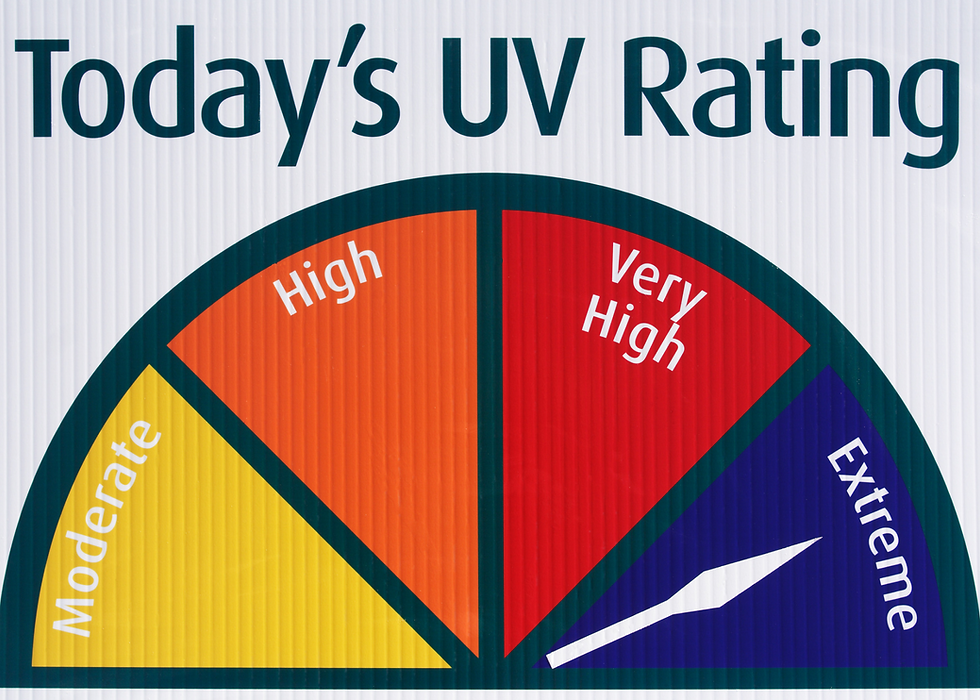
Check the UV Index
Use apps or weather websites to monitor daily UV levels and plan accordingly.
🔬 Understanding Skin Cancer: Types and Warning Signs
There are three main types of skin cancer, each with its own risks:
Basal Cell Carcinoma (BCC)
The most common type; often appears as a pearly or waxy bump, or a flat, flesh-colored lesion. Rarely spreads but can cause significant tissue damage.
Squamous Cell Carcinoma (SCC)
Often appears as a firm red nodule or a rough, scaly patch that may bleed or crust. It can spread if left untreated.
Melanoma
The most dangerous form of skin cancer. It may develop in existing moles or appear as a new dark or irregularly colored spot. Early detection is critical—when caught early, melanoma has a 99% survival rate.
🧐 The ABCDEs of Melanoma
Use this guide to examine your moles and spots:
A – Asymmetry: One half doesn’t match the other.
B – Border: Edges are irregular, ragged, or blurred.
C – Color: Uneven shades of brown, black, red, white, or blue.
D – Diameter: Larger than 6mm (about the size of a pencil eraser).
E – Evolving: Any change in size, shape, color, or elevation—or new symptoms like bleeding or itching.

If you notice any of these signs, don’t wait—schedule an appointment with a dermatologist.
🩺 Skin Checks and Screenings Save Lives
Early detection is everything. Make it a habit to:
Perform monthly skin self-exams from head to toe.
Schedule annual skin checks with a dermatologist—especially if you have a history of sunburns, use tanning beds, or have a family history of skin cancer.

Schedule annual skin checks with a dermatologist
🌞 Protect Your Glow, Year-Round
Taking care of your skin isn’t just about beauty—it’s about health and longevity. UV Awareness Month is a great time to build protective habits, raise awareness, and share life-saving knowledge with your family and community.
Let your light shine—but don’t forget to shield it.
By clicking the link below, you can access a treasure trove of episodes that cover various aspects of health and wellness. From expert interviews to practical tips and advice, the Kore Kast offers a comprehensive resource to help you on your journey to a healthier lifestyle.




Comments