
Finding Your Balance: Understanding Vestibular Issues and Moving With Confidence
Getting out of bed, turning your head, or walking through a store can feel surprisingly difficult when you’re dizzy or unsteady. Those experiences can affect more than your workouts—they can change how confident you feel moving through everyday life.
At Kore Fitness, we believe understanding your body is an important step toward caring for it. When balance becomes a challenge, the starting point is finding out why.
What Is the Vestibular System?
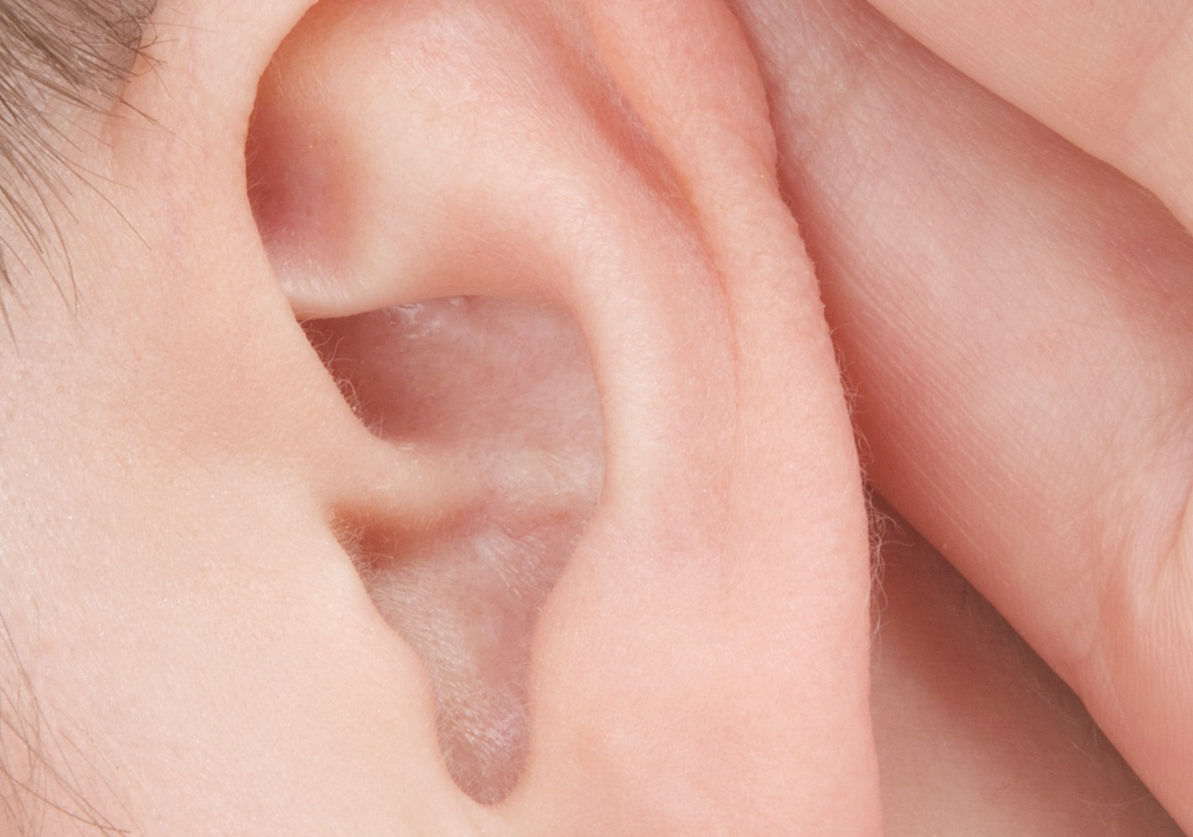
Your vestibular system includes structures in your inner ears that sense head movement and position. Your brain combines this information with signals from your eyes, muscles, and joints to help you stay balanced and keep your vision steady while moving.
When this system isn’t working properly, you might experience spinning, unsteadiness, nausea, or difficulty keeping things visually clear during movement. Symptoms can make ordinary activities feel exhausting. (nidcd.nih.gov)

Dizziness Can Have Different Causes
Dizziness is a symptom, not a diagnosis. Inner-ear conditions are one possible explanation, but dehydration, medication effects, migraines, and a drop in blood pressure when standing can also contribute. Persistent or recurring dizziness deserves a medical assessment. (nhs.uk)
One common vestibular condition is benign paroxysmal positional vertigo, or BPPV. It happens when tiny calcium particles become displaced within the inner ear, causing brief spinning episodes with certain head movements. Treatment often involves a specific repositioning maneuver.
Other conditions affect the vestibular nerve or inner-ear function differently. This is why a general balance workout—or a maneuver found online—may not address your particular problem. (nidcd.nih.gov)

How Can You Support Your Health?
1. Ask About Vestibular Rehabilitation
Vestibular rehabilitation is specialized physical therapy that uses exercises selected for your diagnosis, symptoms, and abilities.
For people with diagnosed peripheral vestibular hypofunction—reduced function in one or both inner-ear balance systems—research strongly supports vestibular physical therapy to improve symptoms, balance, and daily function. These findings do not mean the same exercises work for every cause of dizziness. (pubmed.ncbi.nlm.nih.gov)
Depending on your needs, treatment may include:
Gaze stabilization: Helping you see more clearly while your head moves.
Habituation: Gradually practicing selected movements to reduce sensitivity.
Balance and walking practice: Improving stability during everyday activities.
General conditioning: Rebuilding activity tolerance.
Exercise difficulty and progression should be individualized. Some prescribed exercises briefly provoke symptoms, so ask your therapist what response is acceptable and when to stop or contact them. (pmc.ncbi.nlm.nih.gov)

2. Return to Movement Gradually
Avoiding movement because it feels uncomfortable can make returning to activity more challenging. Once you’ve been evaluated, work with your healthcare team on a manageable plan.
General conditioning may be part of vestibular rehabilitation, particularly when symptoms have led to reduced activity. A short, supported session may be a more appropriate starting point than a demanding workout. Your starting point should reflect your current safety and tolerance. (neuropt.org)
3. Make Everyday Habits More Supportive
While you’re experiencing dizziness, move carefully, rise slowly, get adequate rest, and stay hydrated unless your clinician has advised fluid restrictions. Avoid driving, ladders, and other activities where dizziness could cause an injury.
These steps can support your safety and comfort, but they do not replace treatment for an underlying condition. (nhs.uk)
Good lighting, handrails, and appropriate walking shoes can also make daily movement safer. (nidcd.nih.gov)
Where Does Pilates Fit In?
Pilates and personal training can provide a setting for working on general strength, body awareness, and controlled movement after medical assessment. They serve a different role from specialized vestibular rehabilitation.
At Kore Fitness, we can discuss exercise modifications that fit your healthcare team’s recommendations. That may mean allowing more time between positions, using additional support, or choosing movements that feel manageable.
The goal is to build a routine you can participate in safely and confidently. You do not need to prove your progress by pushing through dizziness.

When to Seek Immediate Help
Call 911 for sudden dizziness accompanied by trouble speaking, new weakness or numbness, double vision or vision loss, or a sudden severe headache. Sudden hearing loss also requires immediate medical assessment. Do not assume these symptoms are simply an inner-ear issue. (nhs.uk, merseycare.nhs.uk)
Take Your Next Step With Support
Feeling unsteady can be discouraging, but you deserve guidance that takes your symptoms seriously. Start with an evaluation, ask about appropriate rehabilitation, and build your activity plan around your needs.
When you’re ready to discuss Pilates or personal training as part of your broader wellness routine, connect with Kore Fitness at www.kore-fit.com.
This article is for general education and does not replace individualized medical advice, diagnosis, or treatment.


Comments