
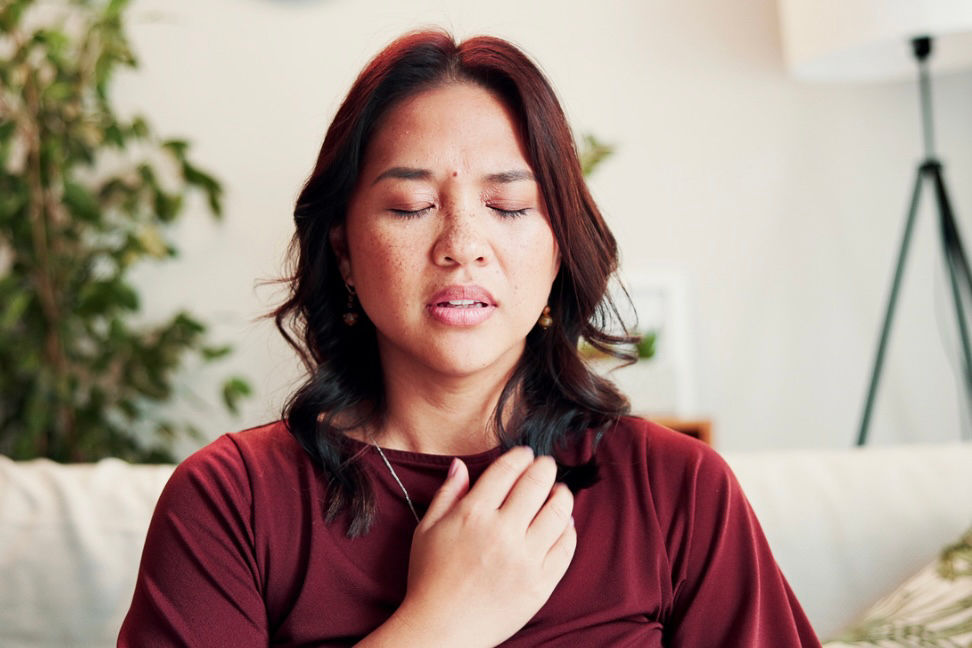
Managing Anxiety: Practical Techniques for Self-Regulation: Small, supportive steps to help you feel more grounded when life feels overwhelming
Your thoughts are racing. Your shoulders are tight. You want to relax, but your mind keeps jumping to the next worry.
Anxiety can affect how we think, feel and move through our day. When it rises, having a few familiar coping tools can help us respond with more patience and a greater sense of choice.
Self-regulation is the practice of noticing your emotional and physical state and taking steps to manage your response. You don’t have to make every anxious feeling disappear. Sometimes, progress means feeling settled enough to take the next small step.

Different techniques work for different people. Start with one that feels comfortable, and give yourself permission to adjust.
1. Start With Gentle Breathing
When anxiety builds, try bringing some ease to your breathing.
Sit comfortably with your feet on the floor. Breathe gently through your nose, then let the air flow out through your mouth. If counting helps, count slowly during each inhale and exhale, choosing a pace that feels natural.
Avoid forcing deep breaths or holding your breath. Practice for a few minutes if it feels helpful. If focusing on breathing makes you feel more anxious or dizzy, return to your normal breathing and focus on something you can see or hear instead.
Regular practice during calmer moments can make this technique more familiar when you need it. NHS breathing guidance
2. Ground Yourself Through Your Senses
Anxiety often pulls our attention toward what might happen next. Grounding helps bring attention back to what is happening around us now.
Try the 5–4–3–2–1 technique. Slowly identify:
● 5 things you can see
● 4 things you can feel
● 3 things you can hear
● 2 things you can smell
● 1 thing you can taste
Notice details—the texture of your clothing, the color of a flower or the sound of a fan. Adapt or skip any sense that is difficult to use.
If the full exercise feels overwhelming, simply name three objects nearby and describe their colors. NHS grounding exercises

3. Notice Tension and Add Comfortable Movement
Pause and notice your body. Are your hands clenched? Is your jaw tight? Are your shoulders lifted?
Try easing one area at a time. Open your hands, soften your jaw or slowly lower your shoulders. You might gently stretch, take a short walk or move through a few comfortable exercises.
Regular physical activity can support coping with anxiety. Choose movement that fits your health, energy and abilities. A movement break can be simple and brief. National Institute of Mental Health
4. Explore Gentle Tapping
Some people find light, rhythmic tapping comforting because it gives them a physical sensation to focus on.
Sit with your feet supported and place your hands on your thighs. Gently alternate tapping left and right at a comfortable pace. Keep your eyes open and stay aware of your surroundings. Try it briefly, then pause and notice how you feel.
Another option is a loose “butterfly hug,” crossing your arms and gently tapping opposite upper arms.
Stop if tapping increases distress or makes you feel disconnected. You do not need to bring up difficult memories while doing it.
EFT, or Emotional Freedom Techniques, is a separate approach that combines tapping specific points with acknowledging emotions. Its research is still developing. Treat tapping as an optional coping tool rather than a stand-alone treatment for anxiety. EFT overview

5. Give Anxious Thoughts Some Space
worried thought can feel urgent without requiring an immediate answer.
Try saying to yourself:
“I’m noticing that I’m having a worried thought.”
Then bring your attention to one manageable action: feeling your feet against the floor, returning to a small task or reaching out to someone you trust.
You can acknowledge anxiety without working through every possible outcome right now. Grounding, noticing thoughts and practicing kindness toward yourself are skills included in WHO’s stress-management guide.
6. Allow Yourself to Receive Support
Self-regulation does not mean you have to cope alone.
You might ask someone you trust to sit beside you, listen or guide you through a familiar grounding exercise. Be specific about what feels helpful:
“Could you sit with me for a few minutes?”
“I’d like you to listen before offering suggestions.”
“Would you help me focus on something in the room?”
If you enjoy touch, holding hands or receiving a gentle shoulder rub may feel comforting. Touch should always be welcome, and you can change your mind at any time. Quiet company and personal space are valid preferences, too.

7. Build Supportive Daily Habits
Coping becomes easier to practice when it has a place in everyday life.
Regular meals, a consistent sleep routine, physical activity and limiting excess caffeine can support your well-being. Journaling may help you notice situations that increase anxiety and identify strategies that feel useful. National Institute of Mental Health
Keep your observations simple:
What was happening before I felt anxious? What did I notice? What helped even a little?
Approach these questions with curiosity. You are learning what supports you.
Create a Small, Personal Practice
Choose one or two techniques to try during a relatively calm part of your day. You might practice gentle breathing in the morning or notice your surroundings during an afternoon walk.
When anxiety rises, start with the most familiar option. Check in afterward: Do you feel more present, about the same or more uncomfortable? Adjust accordingly. An exercise that doesn’t help is information, not a failure.
Know When to Seek More Support
If anxiety persists, causes you to avoid everyday activities or interferes with sleep, eating, work or relationships, speak with a healthcare provider or licensed mental health professional. Self-regulation tools can complement treatments such as psychotherapy and medication when appropriate. NIMH guidance on seeking help
At Kore Fitness, caring for your well-being includes paying attention to your body and respecting what it needs. Begin with one manageable practice, allow room for adjustment and remember that support is available.
This article is for general education and does not replace medical or mental health care. New or severe chest pain, fainting or significant difficulty breathing requires urgent medical evaluation; do not assume these symptoms are anxiety.



Comments